
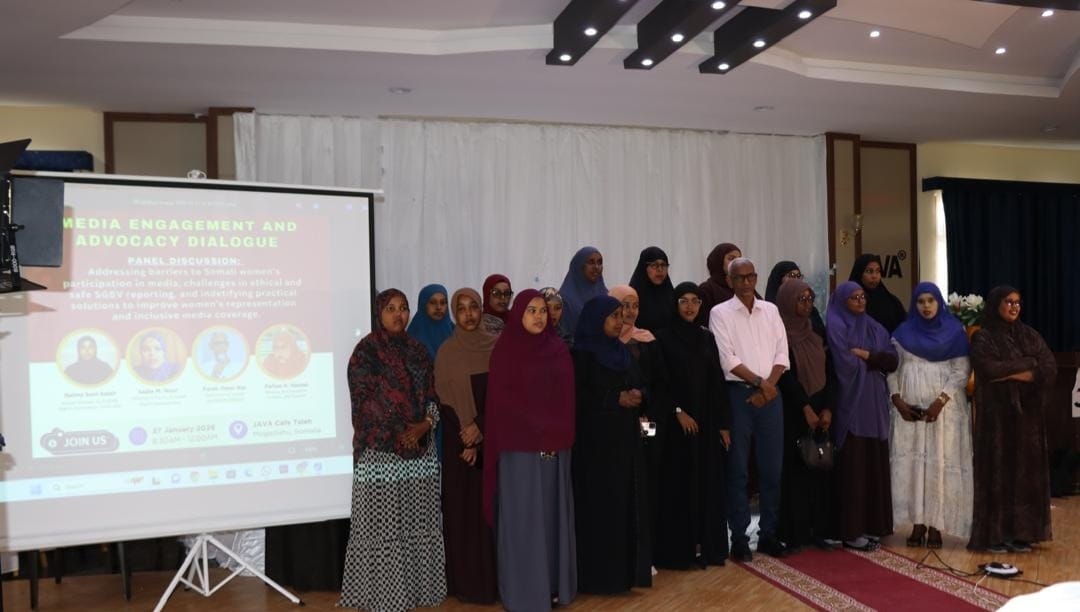

On 27 January 2026, Somali Women Journalists’ Rights Association (SOWJRA), with support from the Canada Fund for Local Initiatives (CFLI), successfully convened a Media Engagement and Advocacy Dialogue in Mogadishu, Somalia.
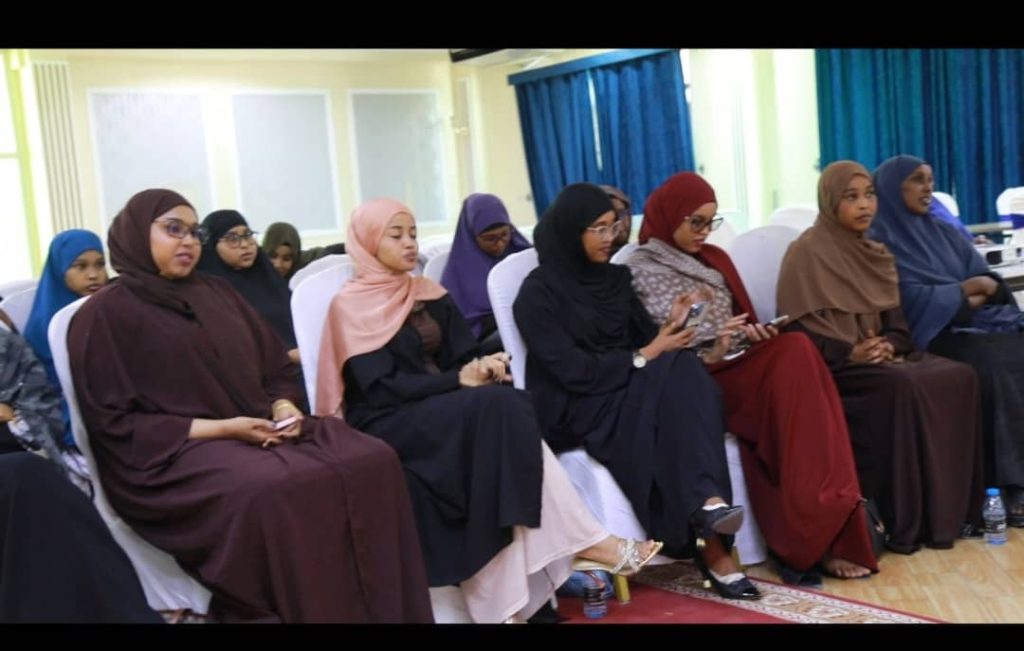
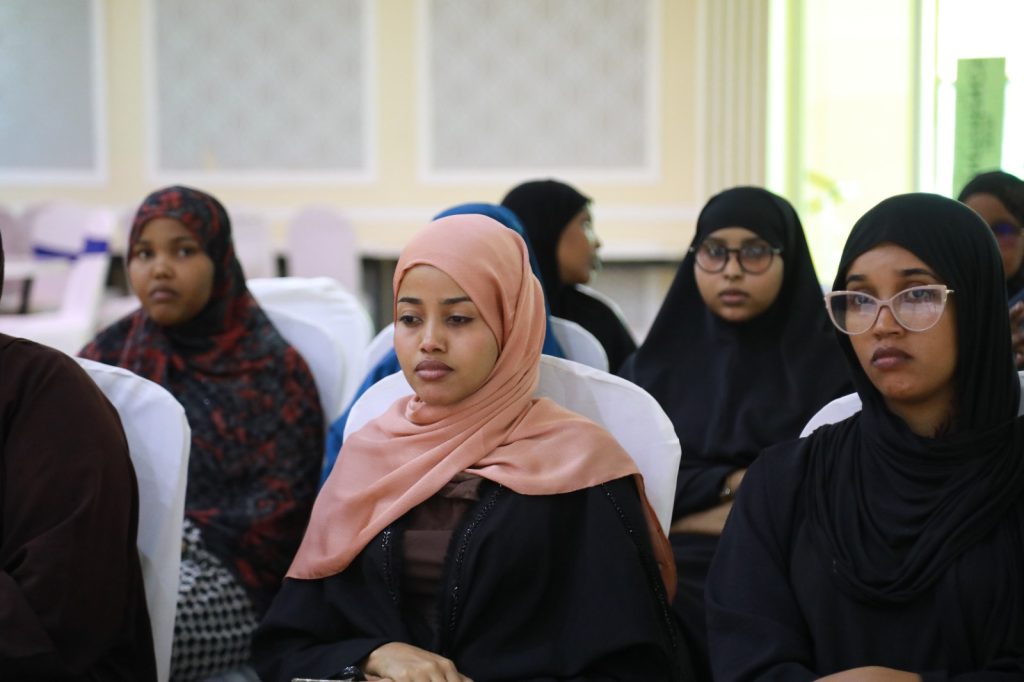
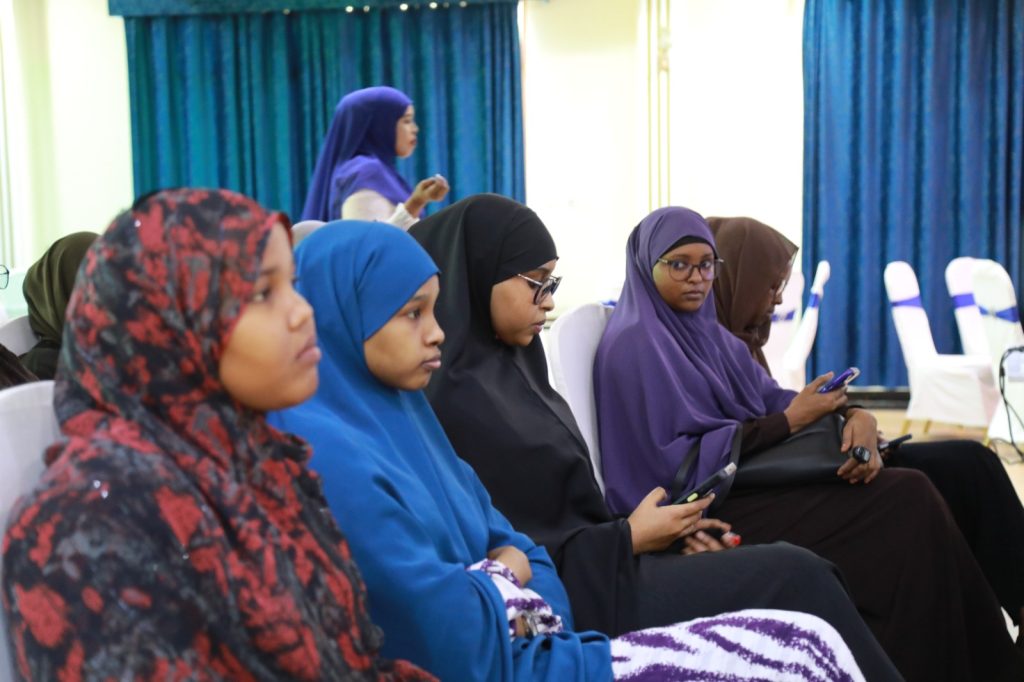
The event brought together media professionals, civil society organizations, and government representatives to discuss the underrepresentation of women in Somali media and the importance of ethical reporting on gender-based violence (GBV).
The dialogue created an important platform for stakeholders to reflect on the role of media in shaping public discourse, addressing gender inequality, and ensuring that the voices of women and girls—particularly those affected by GBV—are heard and represented.
Amplifying Women’s Voices Through Digital Storytelling
A key highlight of the event was the screening of powerful digital stories produced by women journalists trained by SOWJRA under the CFLI-supported project. These stories shed light on the lived experiences of Somali women and girls and the challenges they face in their daily lives.
The digital stories showcased included:
- “The Pain of Displacement: A Somali Mother’s Story” by Bushra Ali Nadir
- “Women Domestic Workers: Harassment and Workplace Challenges” by Ayaan Adan Ciise
- “Somali Society’s Changing Perception of Female Journalists” by Xaliima Daa'ud
Through these stories, participants gained deeper insight into issues such as displacement, workplace harassment, and societal attitudes toward women journalists. The screenings highlighted the critical role women journalists play in documenting realities that are often overlooked in mainstream media.
Panel Discussion: Addressing Barriers and Solutions
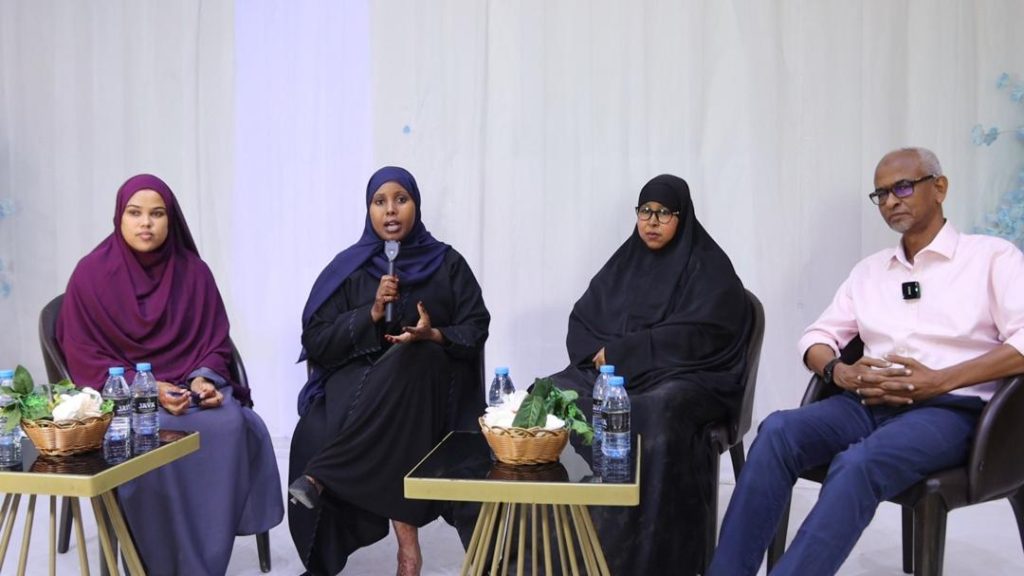
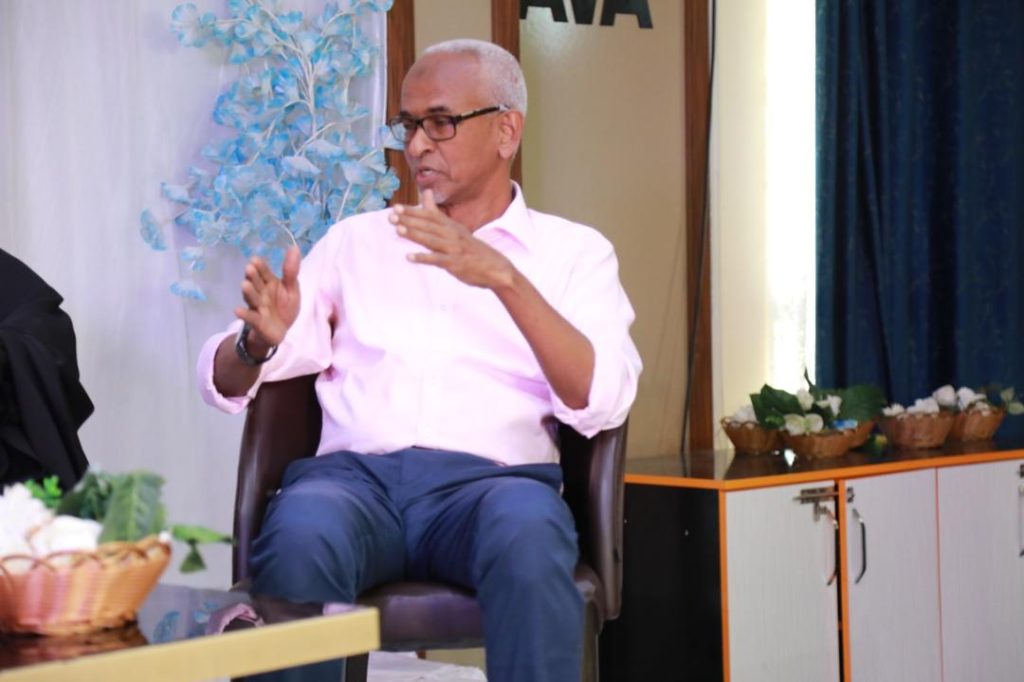
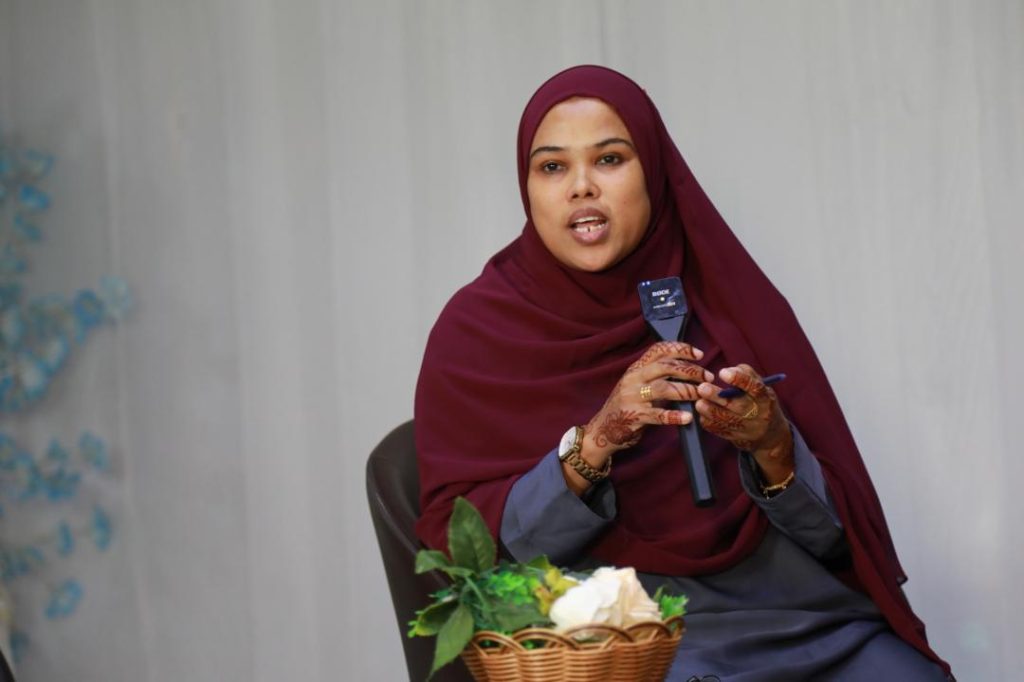
The dialogue also featured an engaging panel discussion with representatives from media institutions, government, and civil society. Panelists included:
- Naima Said Salah – Somali Women Journalists’ Rights Association
- Sadia M. Noor – Ministry of Family and Human Rights Development
- Farah Omar Nur – Federation of Somali Journalists
- Fartun A. Hassan – Ministry of Information, Culture and Tourism
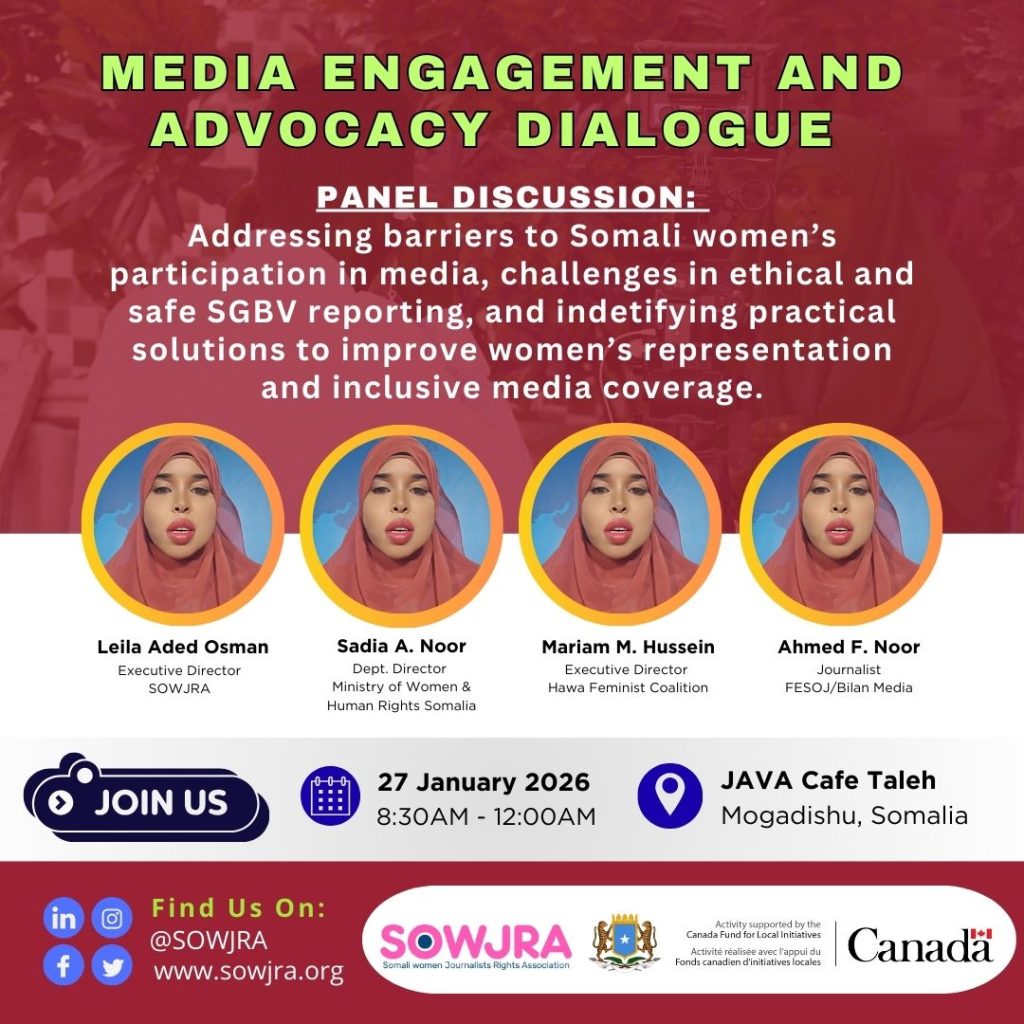
The panel discussion addressed several critical issues, including:
- Barriers to women’s participation in the Somali media sector
- Challenges in reporting SGBV ethically and safely
- Practical solutions to strengthen women’s representation in Somali media
Some of the key solutions suggested by the panelists included:
- Strengthening capacity-building and training opportunities for women journalists and emerging female media professionals in both traditional and digital media, including leadership development within media institutions.
- Increasing support for women journalists to report on issues affecting Somali women and other critical topics that remain underreported in mainstream media.
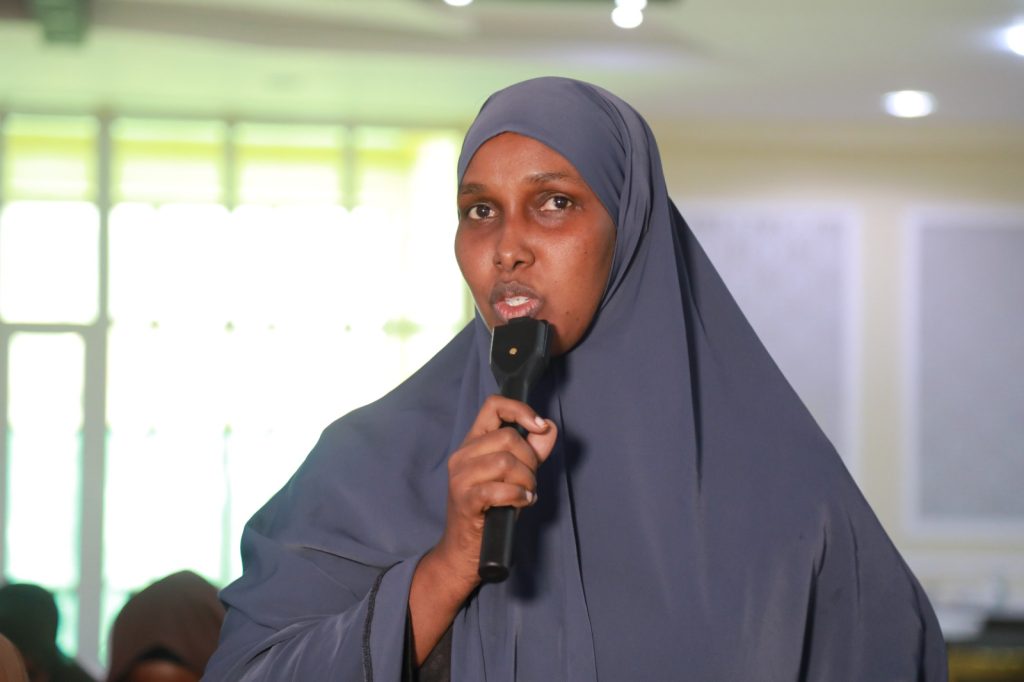
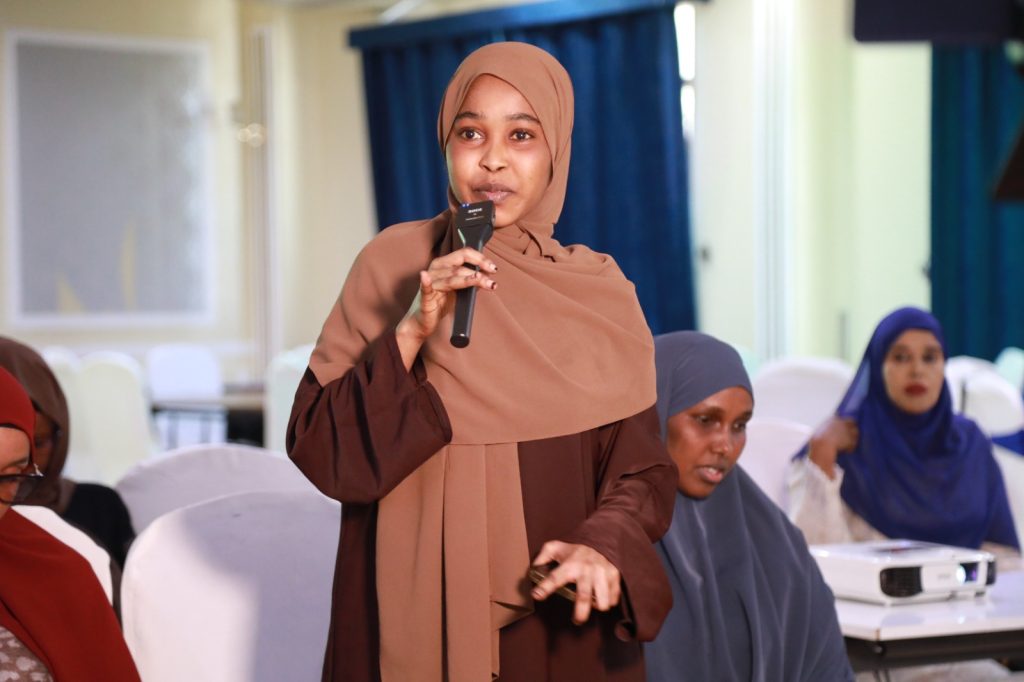
- Promoting continued dialogue and forums that encourage discussion on women’s participation in media and improve mainstream media coverage of issues important to women and girls.
- Developing and strengthening policies and legal frameworks that promote the rights of women in media and ensure their protection from violence, harassment, and injustice within the media sector.
Panelists also emphasized the need for more inclusive newsroom policies, stronger support systems for women journalists, and improved ethical standards when reporting on sensitive issues such as GBV.
A Call to Action for Inclusive Media
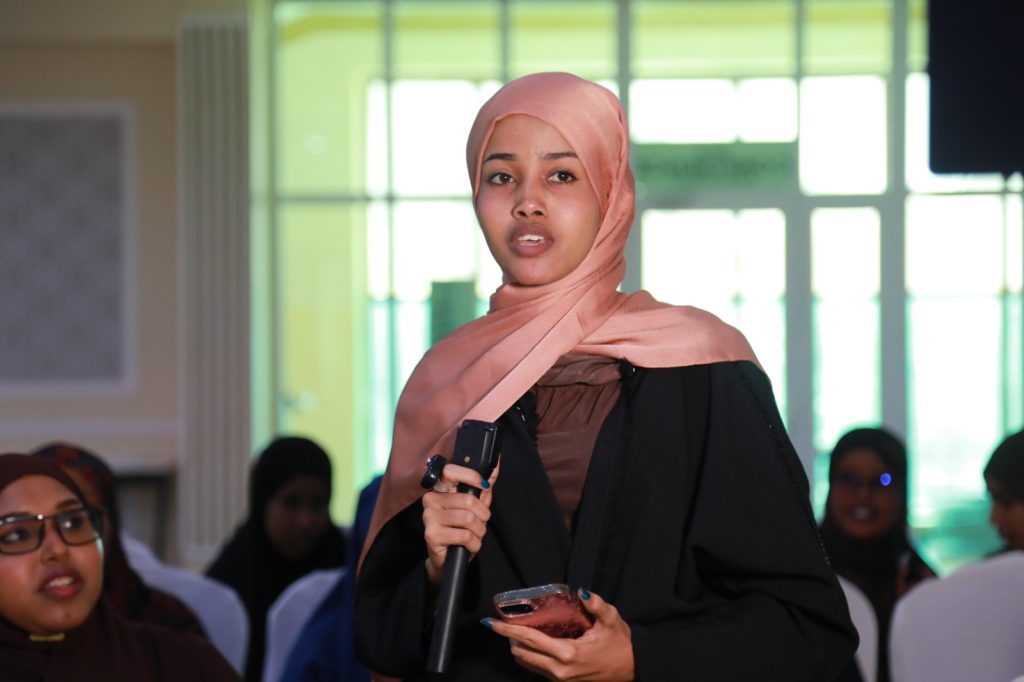
Following the dialogue, stakeholders reaffirmed their commitment to advancing a more inclusive and responsible media environment in Somalia. Key recommendations and calls to action included:
- Supporting women-led media initiatives
- Promoting ethical and survivor-centered reporting on GBV
- Increasing women’s representation and leadership in Somali media spaces
- Encouraging safe, responsible, and inclusive media coverage of issues affecting women and girls
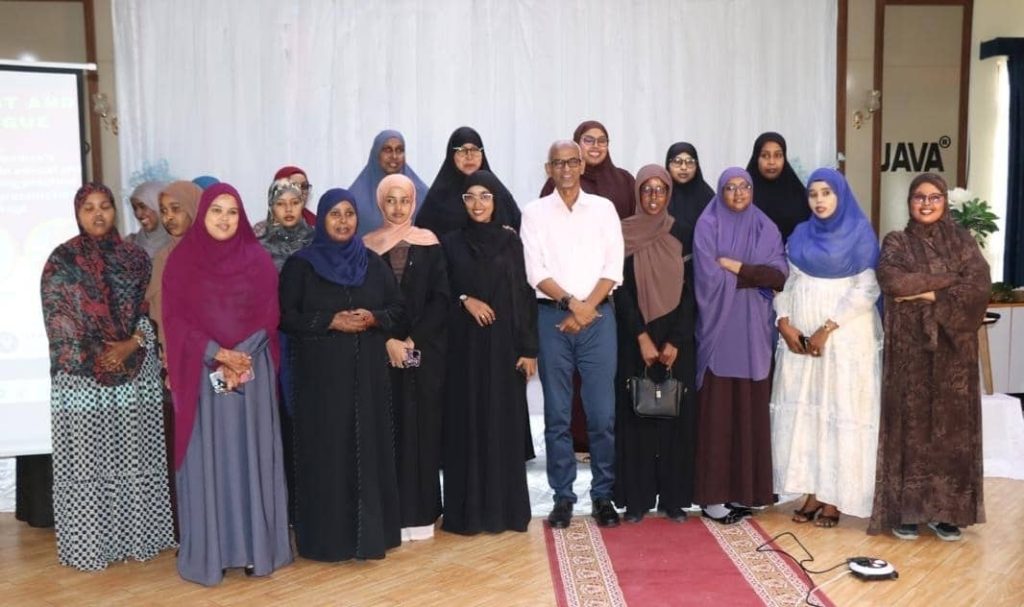
Participants collectively emphasized that women’s voices must be heard and that media institutions play a critical role in amplifying those voices.
Appreciation and Partnership
SOWJRA extends its sincere appreciation to all panelists, participants, media partners, and collaborators who contributed to the success of the Media Engagement and Advocacy Dialogue. Through collaborative efforts and continued advocacy, stakeholders are working together to shape a more inclusive, ethical, and gender-responsive media landscape in Somalia.
Special thanks go to the Canada Fund for Local Initiatives (CFLI) for their generous support in making this initiative possible.